Problem & Purpose
We have words for “tired” and “stressed,” but not for being exhausted in the wrong career, or for the ache of a moment you already know is passing. Writer John Koenig collects words like these in The Dictionary of Obscure Sorrows, yet they live only as definitions on a page.
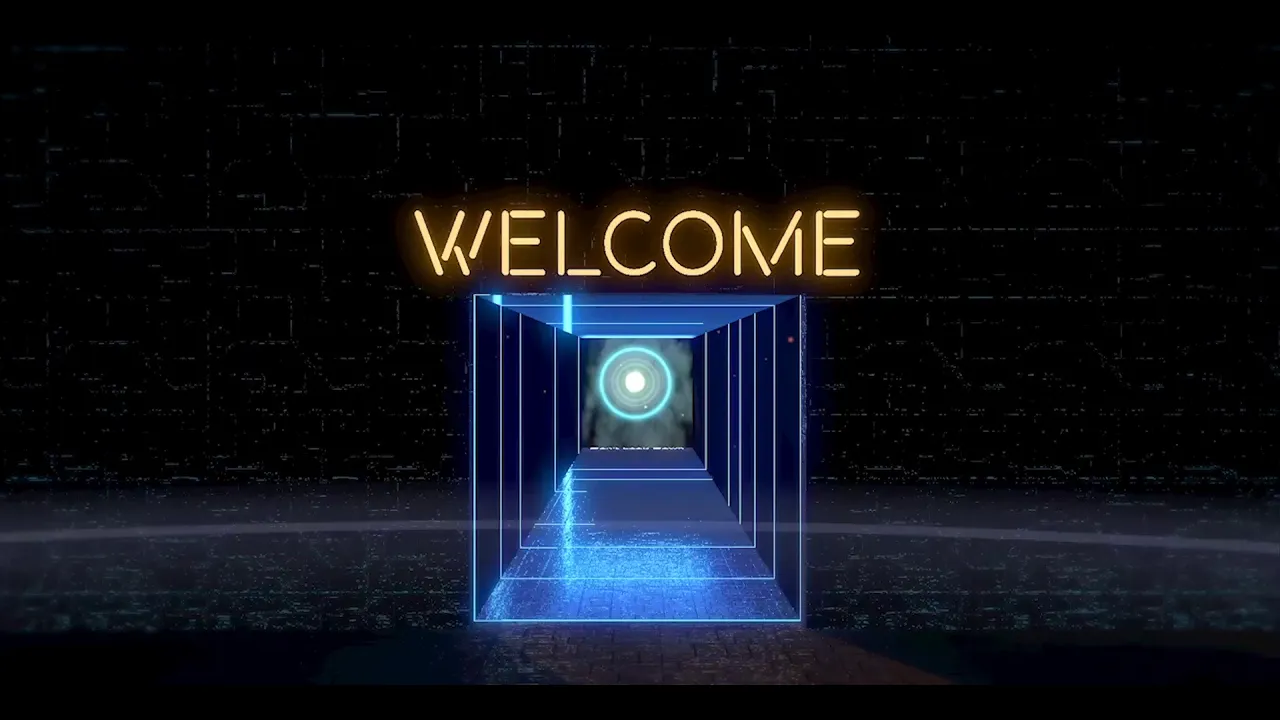
Areal Lingo is a VR “dimensional dictionary.” Each word is paired with an abstract 3D world, to test whether standing inside a concept can teach it and build empathy for the people who feel it.
In 1-on-1 user interviews I called, "emotion-probe sessions", I showed people evocative words and described specific situations in face-to-face conversation. They stopped reading definitions and started telling their own stories. That became the goal of the design.

Word cards from The Dictionary of Obscure Sorrows by John Koenig, the starting point for the project.

The Word World Cabinet, where each word opens into its own world.
Watch the experience
A quick tour of the five worlds, followed by a complete playthrough from a user test.
A one-minute fly-through of all five worlds.
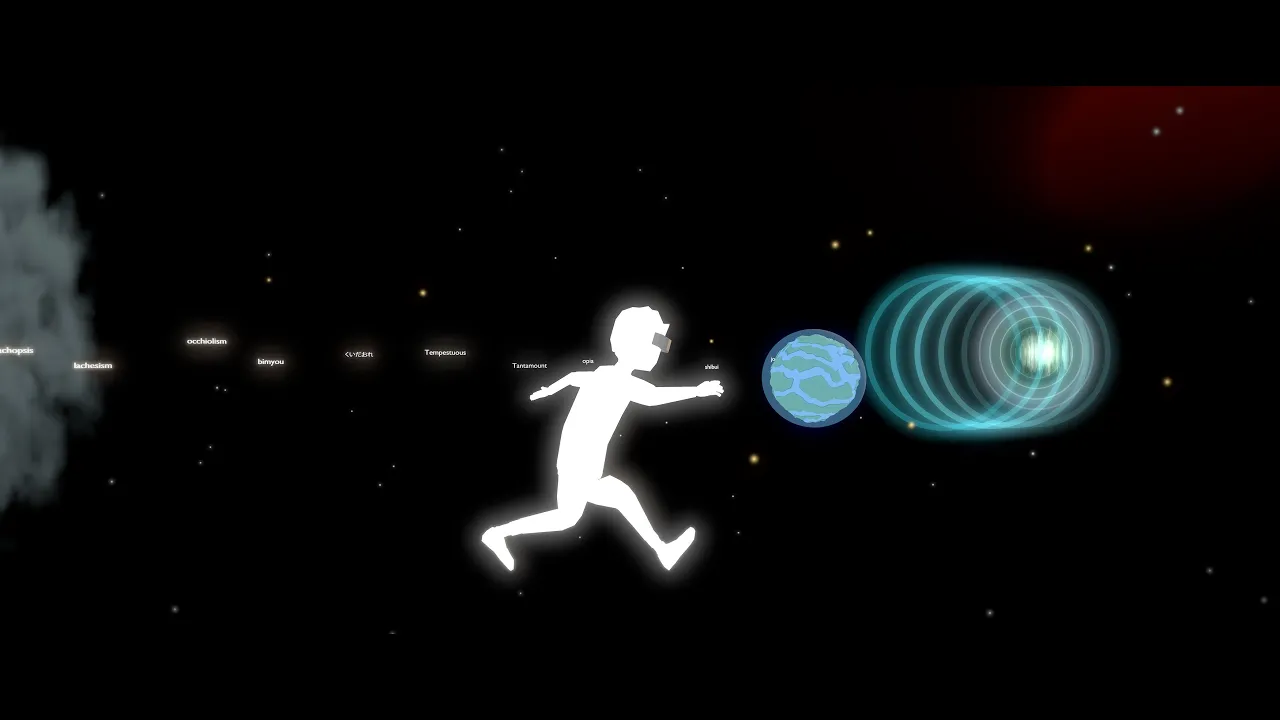
A full playthrough of the VR experience from a user test.
Initial concepts
Before any Unity work, I sketched the first world concepts and how a player would travel between them, then prototyped the Word World Cabinet and the first worlds in 3D.

Initial concept sketches: an open word book, a doorway, an animated platform and early scene ideas like Reverie.

An early 3D prototype of the forest-bathing world, 森林浴 (Shinrin-yoku).

The Word World Cabinet pre-render, with a word carved above each compartment.

Hand sketch of the scenes a player could transport to: Reverie, Déjà vu, Nostalgia and Shinrin-yoku, grouped as Word Dimensions.
User testing
I tested the experience with people in the headset to see whether the onboarding was clear and how they reacted to each world. Here are the user tests and gameplay recordings.
Testing with an experienced gamer.
Testing with a first-time VR user.
User test of the space lobby onboarding, where a first-time player learns the controls.
Gameplay in the Shinrin-yoku forest world.
Demo day
People tried Areal Lingo in the headset at the thesis demo.


Findings
People related to the words, shared their own stories, and some carried words back out of the headset.
What I found: In the emotion-probe sessions, most people related to the words right away and started sharing their own experiences. The big insight was that immersive storytelling prompts people to reflect on their own story. I also tested the Unity build with two people: an experienced gamer and a first-time VR user.
Did the words carry over? At the demo, several people brought up words from the experience on their own afterward. I didn’t measure this formally, so it’s an early signal, not a result.
What went wrong: I tried to do too many things at once and started building late. That forced me to narrow the project to one coherent VR experience instead of several small rooms.
What I’d do next: Test the carryover properly by asking people a week later which words they still use. Also make it less literal with fewer words and more visuals, try music in place of words, explore other senses like smell, and build an AR version as an augmented book.

Read the full thesis booklet
The booklet covers the research, the design process, my inspirations, mood board, the five worlds and my final reflections.
Open the booklet (PDF)